
Small Steps Create Big Shifts
The Chesapeake Bay has always been defined by the water. Blue crabs pulled from quiet creeks at sunrise. Oyster boats heading out before daylight. Rockfish moving through the tides each fall. Seafood here is more than commerce or cuisine. It is part of the identity of the region itself.
What many people do not realize is that much of this story begins in the wetlands.
Stretching along shorelines, marshes, creeks, and tidal rivers throughout the Chesapeake watershed, wetlands quietly support nearly every part of the Bay’s ecosystem. According to the Chesapeake Bay Program, wetlands help filter polluted runoff, reduce erosion, absorb floodwaters, and provide habitat for hundreds of species of fish and shellfish. Many commercially valuable species rely on these areas as spawning grounds and nursery habitat during the most vulnerable stages of their lives. (Chesapeake Bay)
In other words, healthy seafood starts with healthy wetlands.
For species like blue crabs, striped bass, oysters, and countless forage fish, wetlands provide shelter, food, and protection from predators. Grasses and marsh edges create calm, nutrient-rich environments where juvenile species can grow before moving into larger waterways. Without these habitats, the Bay’s seafood populations struggle to replenish themselves naturally. (Chesapeake Bay)
The Chesapeake Bay remains one of the most productive estuaries in the United States, producing roughly 500 million pounds of seafood annually and supporting generations of commercial watermen, seafood markets, and coastal communities. (NOAA Fisheries) But that productivity depends on balance. Habitat destruction, pollution, and declining water quality have all placed pressure on fisheries that were once considered endless. (Chesapeake Bay Foundation)
Wetlands act as one of the Bay’s most important natural defenses.
As stormwater moves across developed land, wetlands help slow and filter that runoff before it reaches tidal waters. Trees, grasses, and marsh soils absorb excess nutrients, sediment, and contaminants that would otherwise damage underwater grasses, oyster reefs, and fish habitat. (Chesapeake Bay) They also help stabilize shorelines against erosion while buffering coastal communities from storms and rising tides.
For those of us who work closely with Chesapeake seafood, the connection is impossible to ignore.
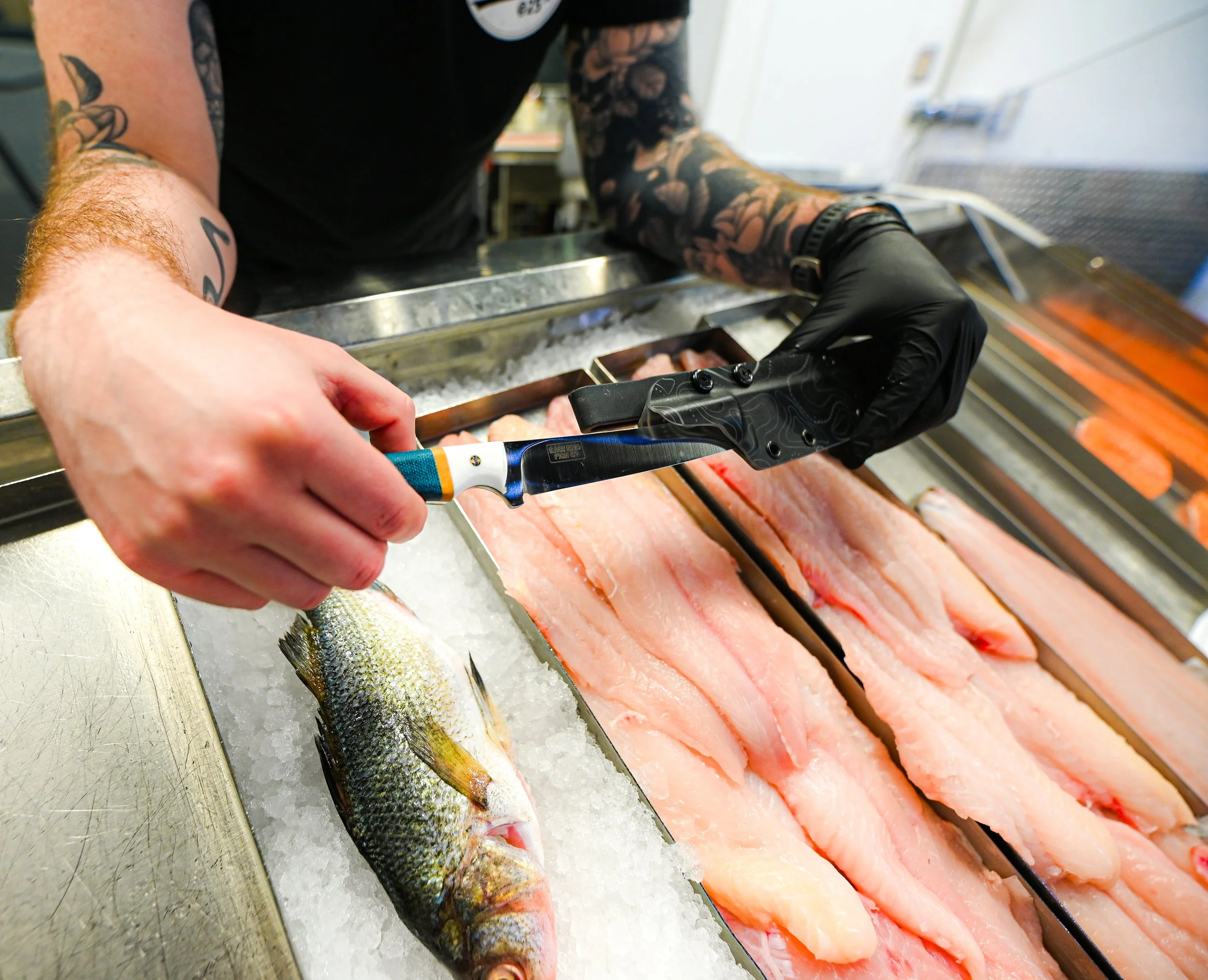
At East End Fish Co., sourcing local seafood means caring about the ecosystems that make it possible in the first place. Every oyster harvested from clean waters, every crab brought to the dock, and every locally caught fish sold across the counter is connected to the long-term health of the Bay’s wetlands.
That responsibility extends beyond seafood itself. Supporting sustainable fisheries means supporting restoration efforts, protecting water quality, and investing in the future of working waterfront communities throughout the region.
In recent years, restoration projects across the Bay have shown what is possible when habitats are protected and rebuilt. Oyster populations have begun recovering in some areas after decades of decline, while improvements in water quality have helped strengthen important fisheries and shoreline ecosystems. (Axios) Wetlands remain central to that recovery because they serve as the foundation beneath so much of the Chesapeake food web.
The Bay does not thrive because of one species alone. It thrives because marshes, grasses, shellfish, forage fish, predators, and people all remain connected to one another.
That connection is what makes Chesapeake seafood special.
When you choose responsibly sourced local seafood, you are supporting far more than a meal. You are supporting the tidal marshes that shelter juvenile crabs, the oyster beds filtering the water, the watermen who depend on healthy harvests, and the ecosystems that continue shaping life around the Bay generation after generation. (Chesapeake Bay)
