
Seafood Fraud & Quality You Can Trust
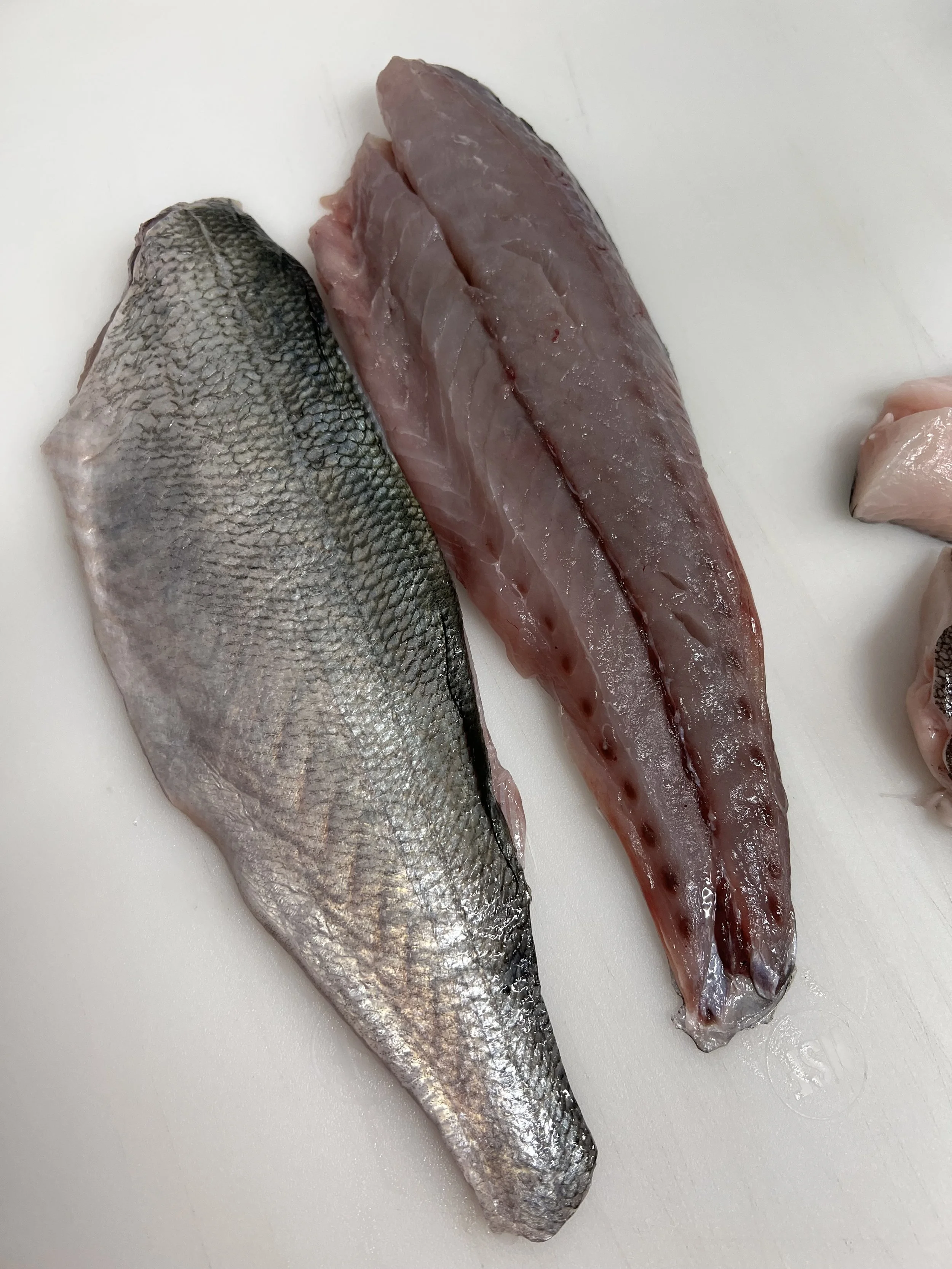
There’s a certain level of trust that comes with buying seafood. You see a label at the market or read a menu at a restaurant and expect that what’s being served is exactly what it claims to be. Wild-caught means wild-caught. Local means local. Virginia flounder should actually come from Virginia waters.
Unfortunately, that is not always the case.
Seafood fraud has become one of the most persistent issues in the global seafood industry. According to NOAA Fisheries, fraud can happen at nearly every point in the supply chain. Fish may be mislabeled, lower-cost species substituted, imported seafood passed off as domestic catch, and products sold with inaccurate weights or sourcing claims.
In many cases, consumers have no realistic way to tell the difference once a fish has been filleted, packaged, or prepared. A piece of imported farm-raised fish can look remarkably similar to a premium wild species when it reaches the plate. NOAA notes that seafood substitution is one of the most common forms of fraud, often driven by profit margins and long, difficult-to-track supply chains.
The consequences stretch far beyond the dinner table.
Seafood fraud hurts honest fishermen, undermines sustainable fisheries, and erodes confidence in an industry built on stewardship and transparency. It also makes it harder for consumers to support local watermen and responsible harvesters because the story behind the seafood becomes blurred somewhere between the dock and the market.
That’s why sourcing matters.
At East End Fish Co., we believe the best way to combat seafood fraud is to shorten the distance between the people who catch the fish and the people who prepare it for dinner. The closer you are to the source, the easier it becomes to maintain accountability, traceability, and quality.
By working closely with trusted local fishermen and regional suppliers, we know where our seafood comes from, when it was harvested, and how it was handled along the way. That relationship-driven approach creates a level of transparency that large, anonymous supply chains often cannot offer.
It also supports something bigger than seafood itself.
When you buy responsibly sourced local seafood, you are supporting coastal communities, regional fisheries, and generations of working watermen who depend on healthy waterways and sustainable harvest practices. You are helping preserve the integrity of local seafood traditions while reducing reliance on imports that may pass through multiple countries and distributors before ever reaching the United States.
NOAA has increasingly emphasized the importance of traceability systems, inspections, and verification tools to help prevent illegal and mislabeled seafood from entering the marketplace. (NOAA Fisheries) While those systems continue to improve, trust still starts with businesses willing to prioritize transparency over convenience.
For us, that means focusing on seafood we can confidently stand behind. Local fish when it’s in season. Sustainable sourcing practices. Honest conversations about where products come from and why that matters.
Because seafood should not come with questions attached.
It should come with a story you can trust.